
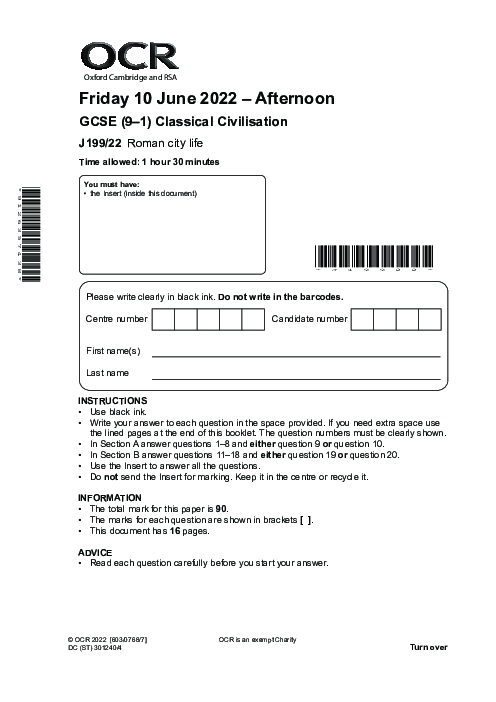
Classical Civilisation J199,22 June 2022
Laura Bellini
1. Roman Entertainment and Public Life: Gladiatorial contests, audience reactions in the arena, theatre experiences, and how architecture reflected societal values.
2. Social Status and Public Image: The significance of tombs in Pompeii, the role of patrons and clients in Roman society, and how housing and public structures revealed social class.
3. Roman Bathhouses and Leisure: The importance of the palaestra, the role of different rooms in baths, and how public baths were central to social and political life.
4. Roman Literature and Satire: Trimalchio’s character and excesses, Juvenal’s depiction of crime and social inequality, and Horace’s perspectives on urban and rural life.
5. Political and Economic Structures: The influence of the patron-client system, political propaganda through literature, and contrasts between the lives of elites and common citizens.
6. Comparative Analysis of Roman Figures: Evaluations of Pliny’s character, differences between dining experiences with Ofellus and Nasidienus Rufus, and perspectives on Roman moral values.
See More Paper 2 a year ago
Classical Civilisation (J199) Subject directory
All resources in one place
Related Past Papers
Related Tutorials
Crash report