
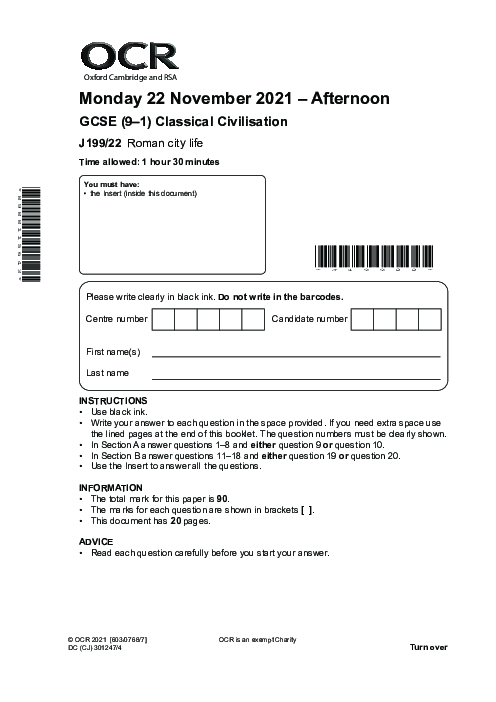
Classical Civilisation J199,22 November 2021
Laura Bellini
1. Roman Housing and Social Status: The significance of house decorations, how mosaics reflected the interests of wealthy Romans, and features of elite homes.
2. Chariot Racing and Public Entertainment: Dangers of racing, reasons for participation, equipment used, and why charioteers took risks.
3. Slavery and Domestic Life: The status of domestic slaves, how they were treated, and roles they performed in Roman households.
4. Gladiatorial Games and Public Spectacle: How wealthy Romans used games for political influence, audience expectations, and the role of the amphitheater.
5. Social Dangers and Urban Life: Juvenal’s critique of city life, hazards of walking in Rome, and contrasts between rich and poor living conditions.
6. Master-Slave Relations in Literature: Pliny’s shock at mistreatment, punishments for rebellious slaves, Trimalchio’s treatment of his staff, and how satire depicted Roman social hierarchy.
See More Paper 2 a year ago
Classical Civilisation (J199) Subject directory
All resources in one place
Related Past Papers
Related Tutorials
Crash report