
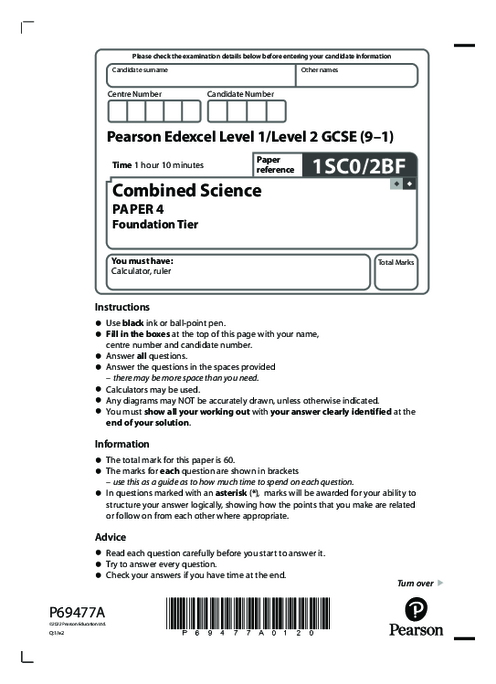
Combiend Science 1SC0/2BF May June 2022
omer uner
1. Carbon and Water Cycles – Processes transferring carbon in ecosystems, role of respiration and photosynthesis, methods for obtaining freshwater from seawater, and water treatment for drinking.
2. Blood and Circulatory System – Functions of red blood cells, plasma, and white blood cells; importance of haemoglobin; kidney function in blood filtration; differences between arteries and veins.
3. Homeostasis and Endocrine System – Regulation of blood glucose by insulin, impact of diabetes, thermoregulation in humans, role of lymphocytes in immune response.
4. Photosynthesis and Plant Transport – Effects of light intensity on photosynthesis rate, adaptations of xylem and phloem for transport, water uptake by root hair cells, impact of transpiration.
5. Ecosystems and Biodiversity – Impact of nitrogen pollution on aquatic ecosystems, energy transfer in food chains, decomposition processes, and human impact on biodiversity.
6. Respiration and Exercise Physiology – Oxygen consumption, aerobic vs. anaerobic respiration, increased blood flow to muscles during exercise, and the role of the heart in circulation.
See More Paper 4 a year ago
Combiend Science (1SC0) Subject directory
All resources in one place
Related Past Papers
Related Tutorials
Crash report