
Science 4th grade | UNIT 2: Living things and environment 2.5 Identifying invertebrates
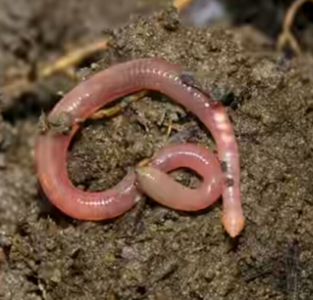
Most invertebrates are small and hard to see. They hide among grass, plants, leaves, sticks and in soil.
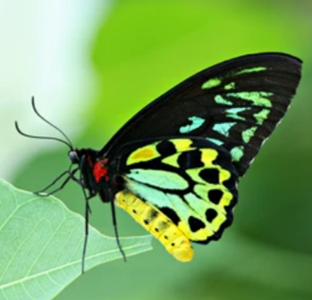
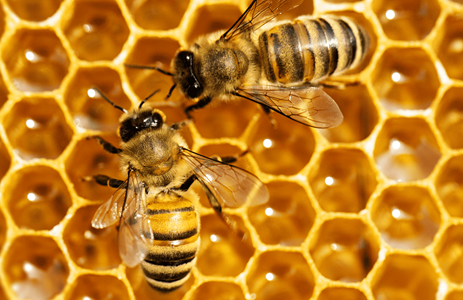
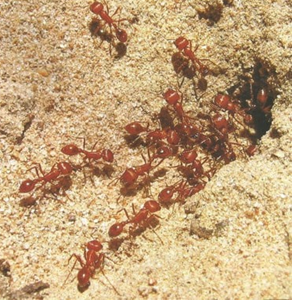
An insect is an invertebrate. Insects have six legs and can often fly. Ants, butterflies, greenflies and bees are insects.
Before scientists can make a key, they have to observe the animals very carefully.
|
|
|
|
Questions
1) What is an insect?
2) Is there more than one way to group animals? Explain your answer.
3) Do animals know which group they are in? Explain your answer.
Activity 2.5a (Observing invertebrates)
You will need: a tray - a pooter - some damp leaves - a magnifying glass
Collect invertebrates from different places around your school.
Why should you spend the same time collecting from each place?
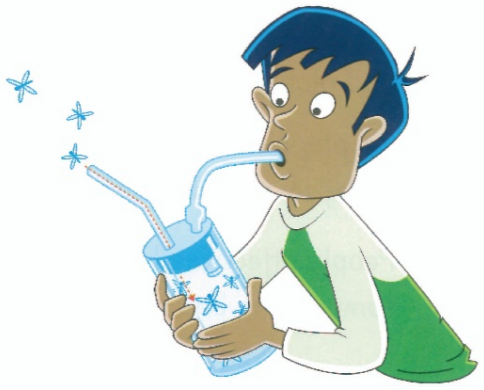
Decide how you will record your observations. Invertebrates are very small, so be careful. Use a pooter to help you. It will not harm them. Carefully observe the invertebrates' shape, colour, number of legs, head, mouth, each antenna, shell, skin, and how they move.
Discuss any questions you have about them and how you could find the answers.
Activity 2.5b (Design an invertebrate hotel)
You will need: small rocks - stones - bricks - sticks – canes – logs – short wooden planks – small wooden boxes - cardboard – soil
Design an invertebrate hotel that you could build in the school grounds. Say why you think the invertebrates will like this hotel.