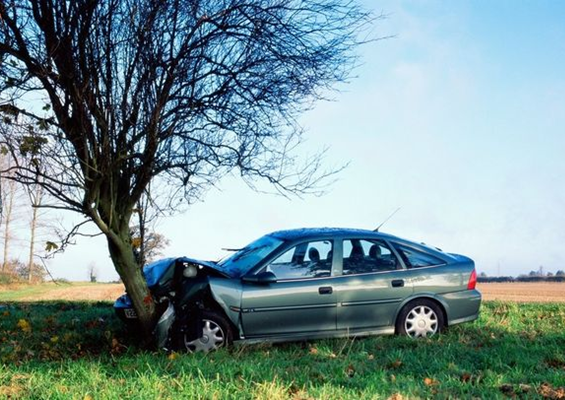
Science 6th grade | UNIT 4: Forces and motion 4.4 The effect of forces
We cannot see forces, but we can see or feel what they can do.
Activity 4.4 (Investigating what forces do)
You will need: a ping pong ball - a straw - a table - a book
Put the ball on the table. Does the ball move?
Blow on the ball through the straw.
What happens to the ball?
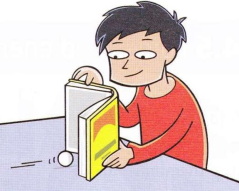
Hold up a book across one end of the table. Roll the ball gently towards the book.
Allow the ball to roll into the book. What happens to the ball?
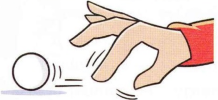
Flick the ball with your fingers towards someone in your group.
Get that group member to flick the ball to someone else.
What happens to the direction of the ball each time you flick it?
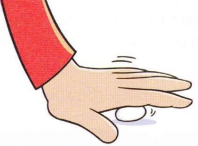
Squeeze the ball gently.
What happens to the shape of the ball?
Are the forces in each case balanced or unbalanced?
What can forces do?
Forces can make things move. When you exert a force on a ball by blowing or rolling it, you make the ball move. Forces can also speed up moving objects.

Forces can also slow down moving objects or make them stop. When the ball rolls into the book it stops moving. The book exerts a force on the ball to stop it moving.
Forces can change the direction in which an object moves. When you flick the ball from person to person, it changes direction each time. Each person exerts a force on the ball that changes the direction of the ball's movement.
Forces can change the shape of an object. When you squeeze a ball you exert a force on it. The force makes the ball change shape.
Forces that change the movement or shape of an object are unbalanced forces.
Questions
1) We cannot see forces. Name four ways we know that forces exist.
2) a: How do forces act to break a glass when it falls on the ground?
b: How do forces act to make a rubber ball bounce when you drop it?